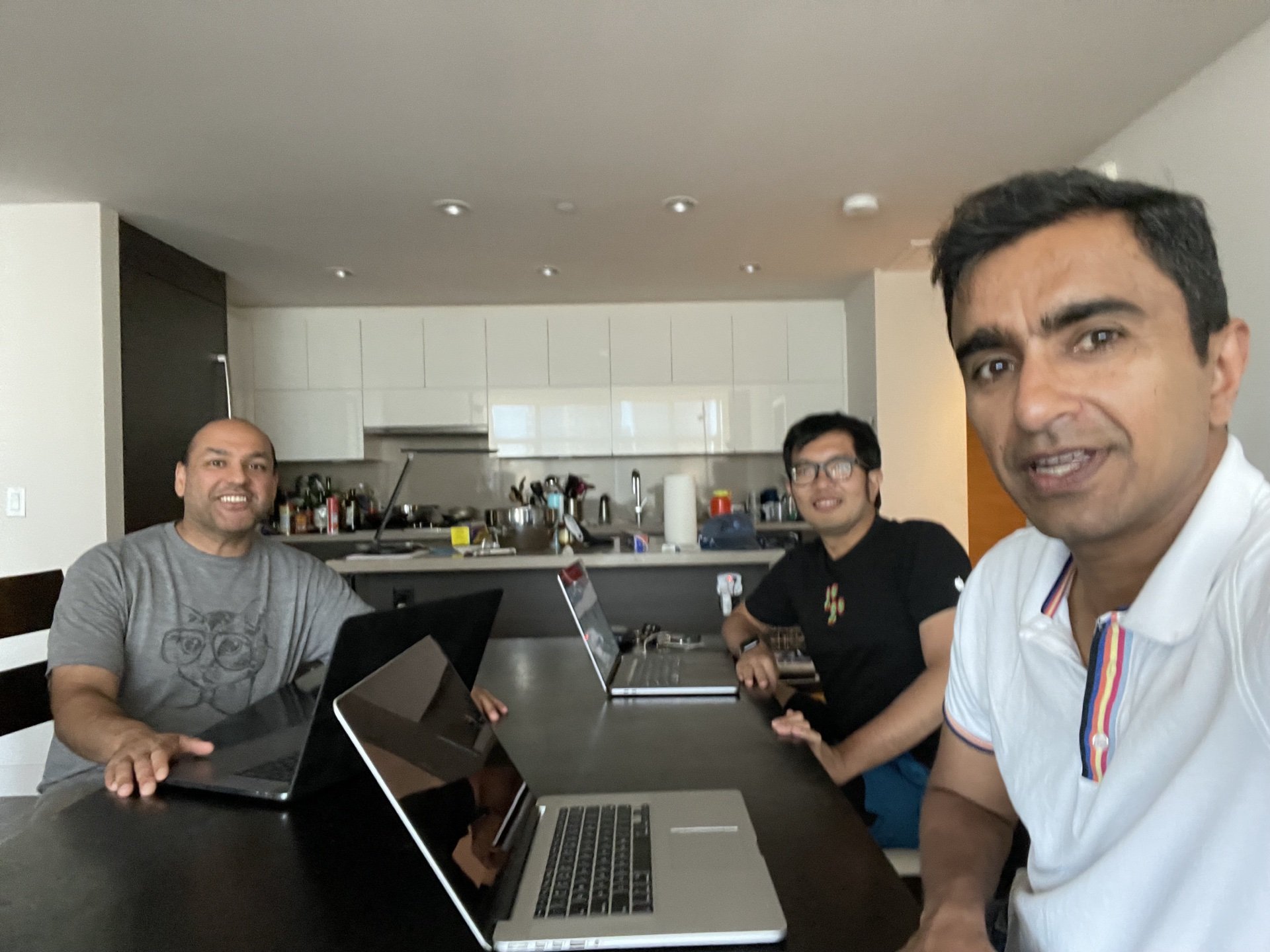

One week inside SageOx

Earlier this spring my previous company went through a restructuring and my role ended. I took a few months off, partly to give my wife room to step back into her career after a long stretch home with our son. In parallel, I was figuring out what I wanted my next role to look like: engineering, product, and customer in one seat. Someone who ships the code and sits with the person using it. Forward Deployed Engineer was the name the market had settled on for that shape.
SageOx caught my eye when I read their careers page. The founding team came out of years building agentic and infrastructure systems at scale, and the team used its own product every day. But what really got me was the problem. I had spent years watching teams lose real time to context loss: a decision misheard in a meeting, a person absent from a discussion, a handoff that dropped a detail. Someone finally building the shared layer to close those gaps was why I applied.
How the trial happened
I applied through the standard careers form and heard back from Milkana within a day. We had planned to meet online, but she suggested I come out to the Seattle office instead. I remember walking in slightly nervous and walking out convinced this was somewhere I wanted to work. Forty-five minutes with her was enough to see that these were serious people building something specific, and that she was the kind of person you'd want steering the culture.
A few days later she wrote back with a work trial instead of a traditional interview loop. My first reaction was surprise, then real excitement. I had been doing mostly remote work for years, and a full week in the office with a new team was exactly what I wanted next.
What I built
My first Merge Wall on Monday (the daily session where anyone surfaces something the rest of the team would otherwise miss: a change in direction, a blocker, a signal, a win worth noticing) went well, and Galex handed me my primary project for the week: search across team context.
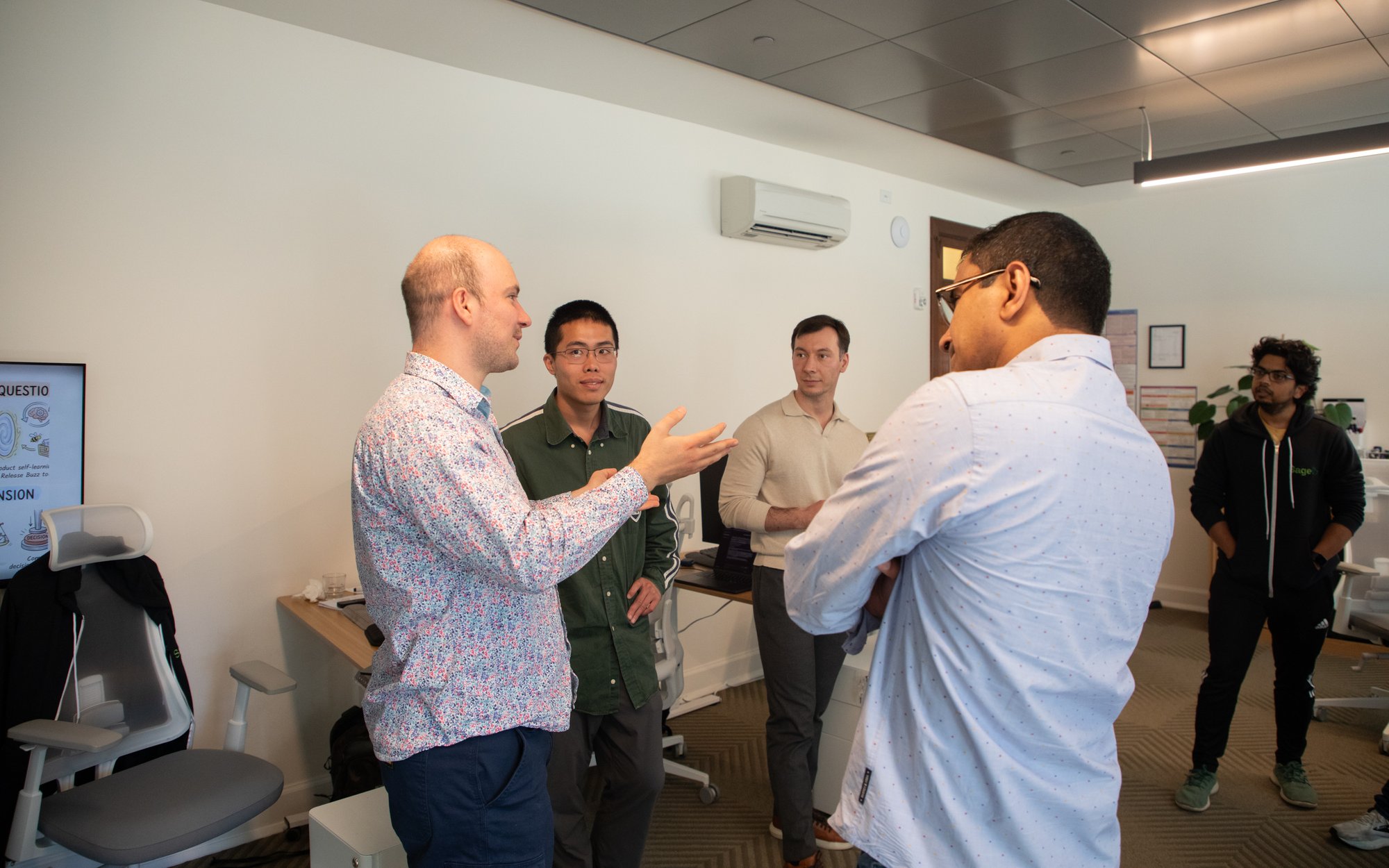
Getting all the SageOx repos running locally took me half of the day. I leaned on Claude Code and the ox CLI the whole way, and there's a skill that walks a trial engineer from a clean machine to a shipped PR on day one, which is what happened. In my experience that setup normally takes days, and a good share of those days is spent interrupting other engineers for details that never made it into a README. Here the context was already in the system. As I bumped into gaps in the developer experience of the ox CLI, I filed a few issues and closed some of them in flight. Madhur was a real help there.
Mid-week I had working sessions with our designer, Emory, and with Milkana on where the feature should go next, and we roughed out the next couple of iterations.
Lau joined partway through the week as another engineer on a parallel trial for a similar role. Milkana told me upfront not to frame it as a competition, that the team was simply expanding. I never read it that way either. Lau turned out to be a strong engineer with real creative range, and we ended up working alongside each other more than across from each other.
Friday closed with demos. Tobias, Lau, Emory, Milkana, and I each walked through something we had built that week. Nobody was presenting a slice of someone else's feature. Everyone had owned a thing end to end, and the demos crossed the usual designer and engineer lines in both directions. I showed how the search was landing and where I wanted to take it next, and I got to see up close what everyone else had been shipping. The quality of the work and the range of ideas stayed with me. Real appreciation for everyone who put their work in front of the room.
What stood out
I've onboarded at enough places to know what the first week usually costs. Days of reconstruction: reading docs that were sometimes out of date, tracing how the system actually worked, and trying to ship something useful without breaking a part I didn't yet know was load-bearing. Most of what I needed existed somewhere. It lived in someone's head, and the only way to get it was to interrupt them and hope they had time.
That is exactly the gap SageOx built the product to close, and the trial put me on the receiving end of it. The context was already in the system, so I spent day one shipping instead of excavating. The same logic shows up in how the team runs. The Merge Wall exists for the things that don't route themselves, like a change in direction, a blocker, a signal worth knowing. And on Friday, what people demoed wasn't bound by whether their title said designer or engineer. In each case the assumption is the same: context should reach the person who needs it without that person having to go extract it.
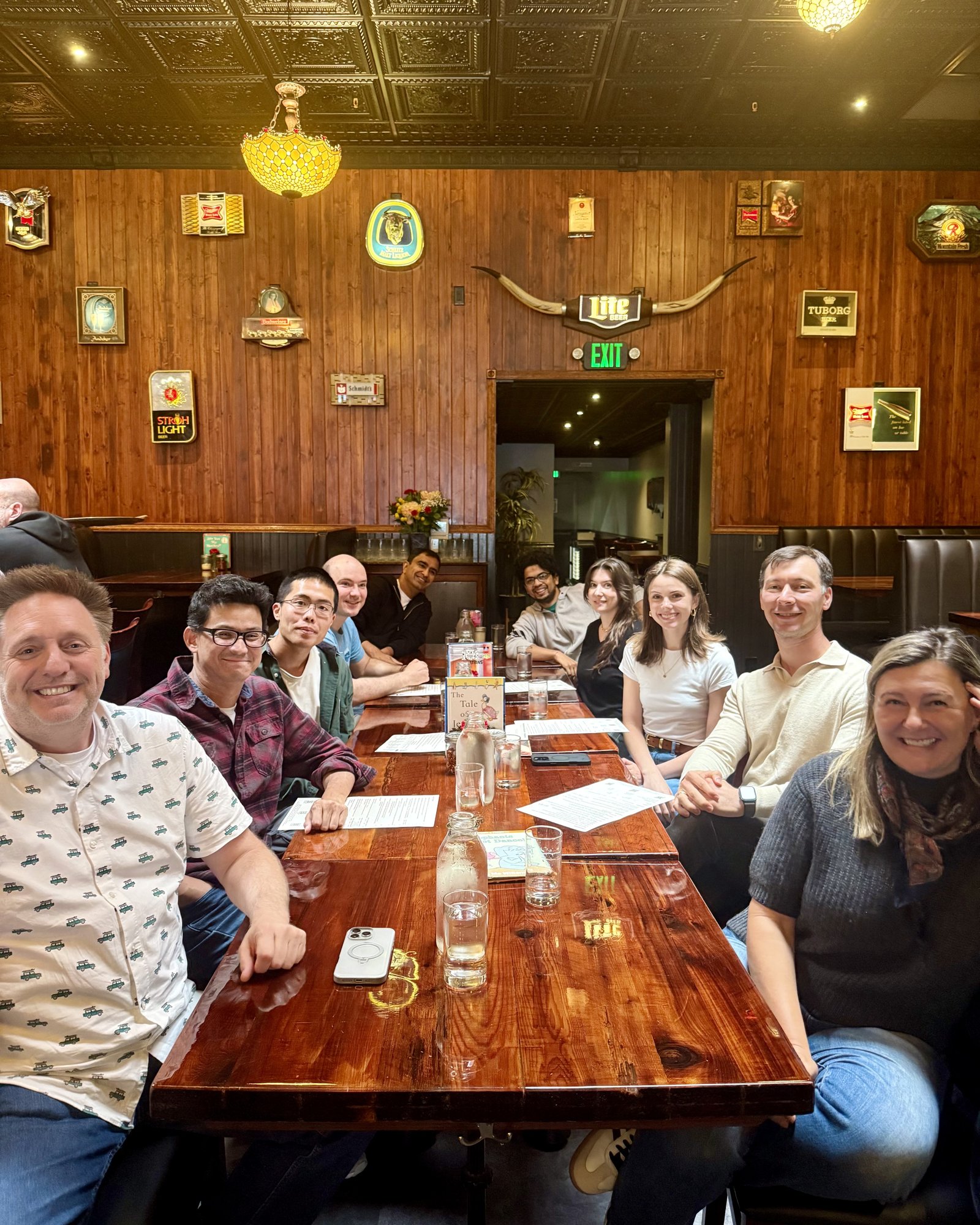
What shifted my read on the company was how the week felt. I never felt observed or micromanaged or held at candidate distance. I worked as a real team member with the quiet confidence the work would speak for itself. I got lucky and landed in the middle of a team social and some photos. Standing in one of those, I already knew I wanted to be in the next one.
Murmur was my favorite piece of the product. One command, ox murmur, drops a short note into the team's shared context, and it surfaces in a teammate's agent session at the moment it matters, as a signal that arrives where the work is happening.
Thanks
A quick word about the people who made the week land. Alex Helgeson handled every logistical piece from scheduling to office access, and handed me a company hoodie on day one that I kept on for the rest of that first day. Small detail, but the kind that makes you feel like part of the team from the start. Madhur was patient with my ox CLI issues. Galex gave me exactly the right context on search. Each of them made one specific piece of the week's work.
Joining
I joined SageOx as a Forward Deployed Engineer this week. It's the right shape of work at exactly the moment I wanted this kind of role, with a team that's unusually strong and a product that already changed how I work over five days. The process itself was the biggest positive signal about the culture. Ready to get started.